





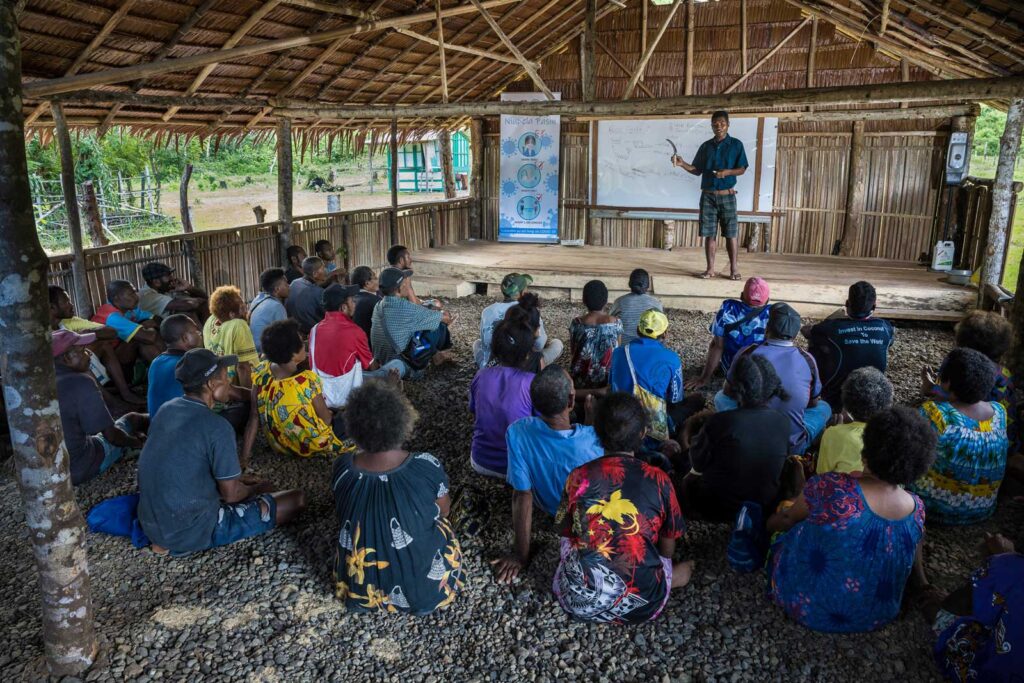
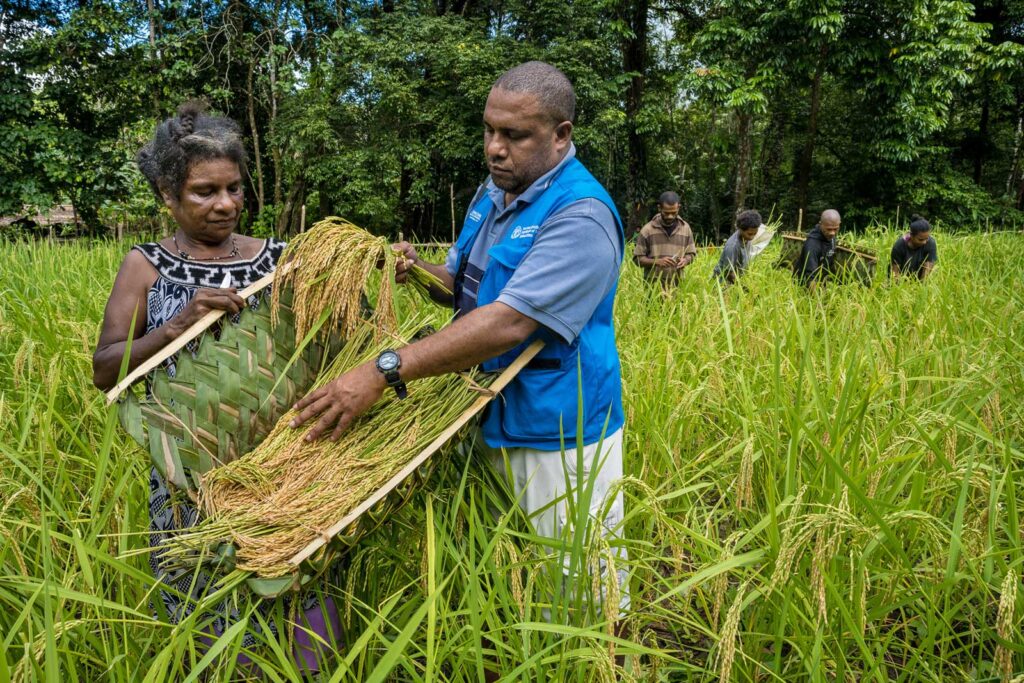
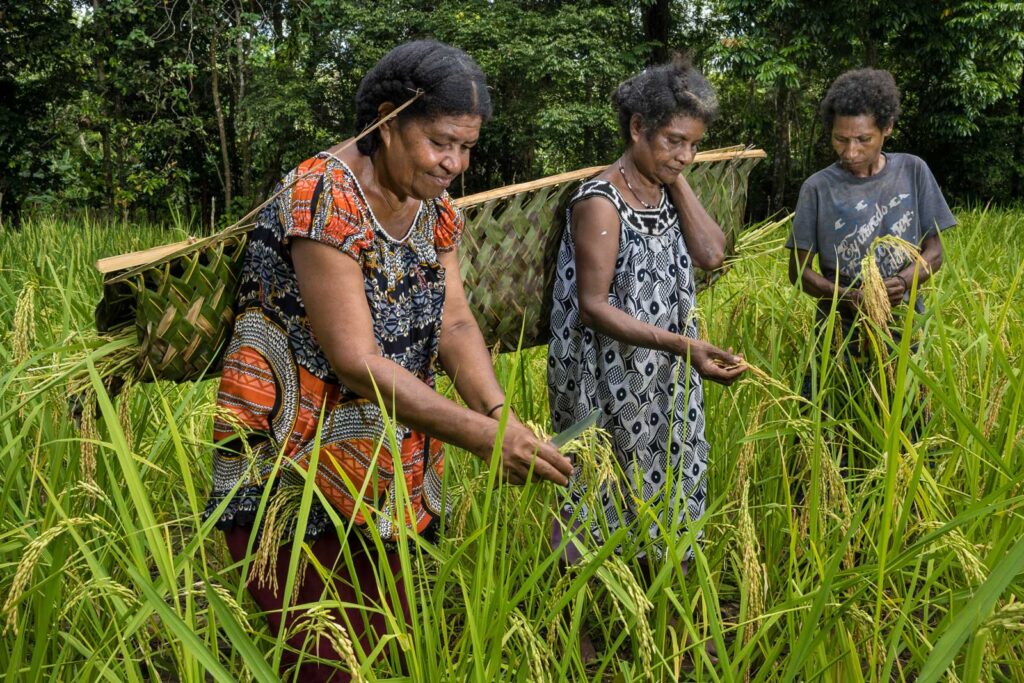
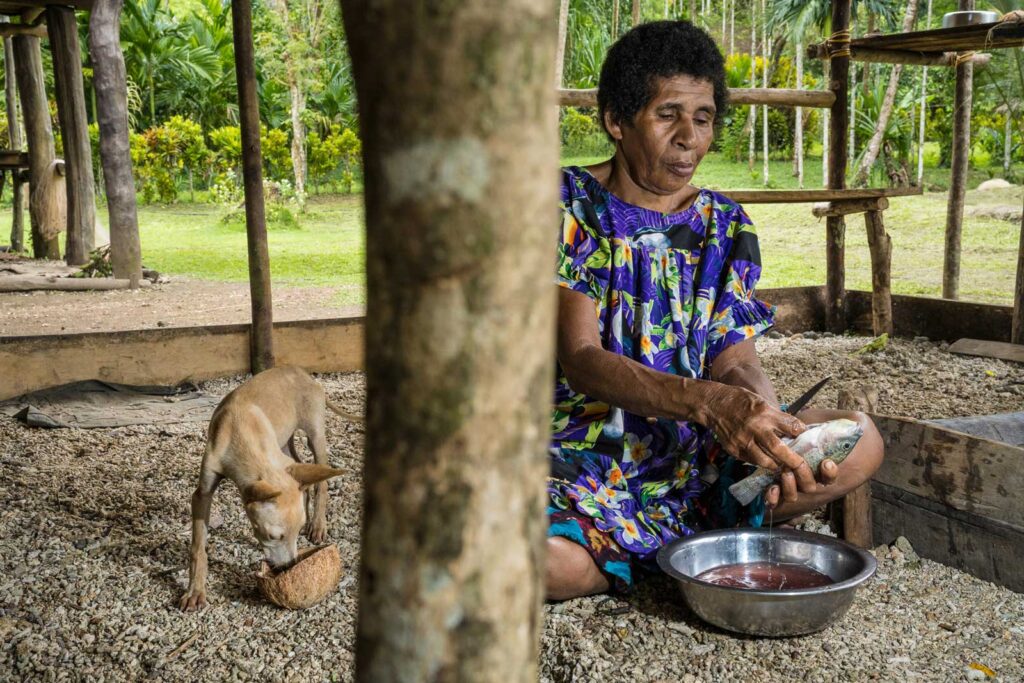


In March 2020, the first case of Covid-19 was confirmed in Papua New Guinea (PNG), which initiated a National State of Emergency (SOE) and lockdown. Travel restrictions, both local and international, were imposed. Transport within cities, towns and urban settlement were restricted, market were closed and business hours limited. The closure of markets had detrimental impact on the agricultural value chain; with loss of income, food wastage, inaccessibility to fresh food, and increase in unemployment rates. All of which had a negative impact on food security, nutrition and livelihoods. The proposed project aims to reduce the further spread of COVID-19 and support agricultural livelihoods recovery and income generation activities through restoring food production, improving nutritional status and strengthening the resilience of affected population. The target locations are provinces where confirmed cases of covid-19 were identified and with high prevalence of food and nutrition insecurities. These include province from the Highlands region, Islands region and Southern region.
The project encompasses the following three components:
1. Preventing the spread and mitigating the impact of Covid-19 along the agriculture value chain;
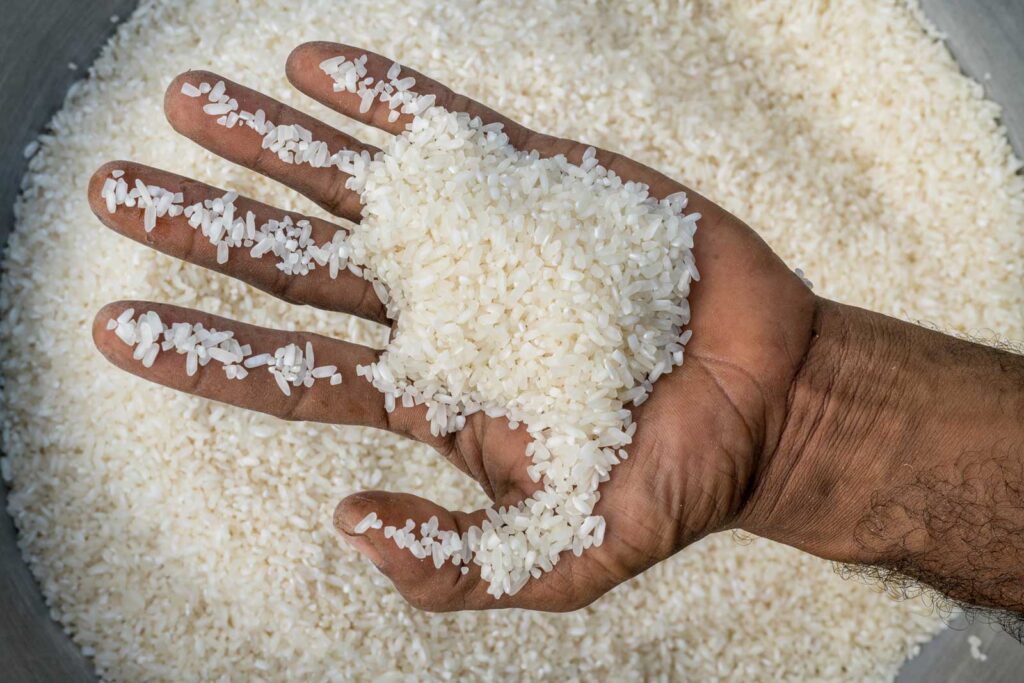
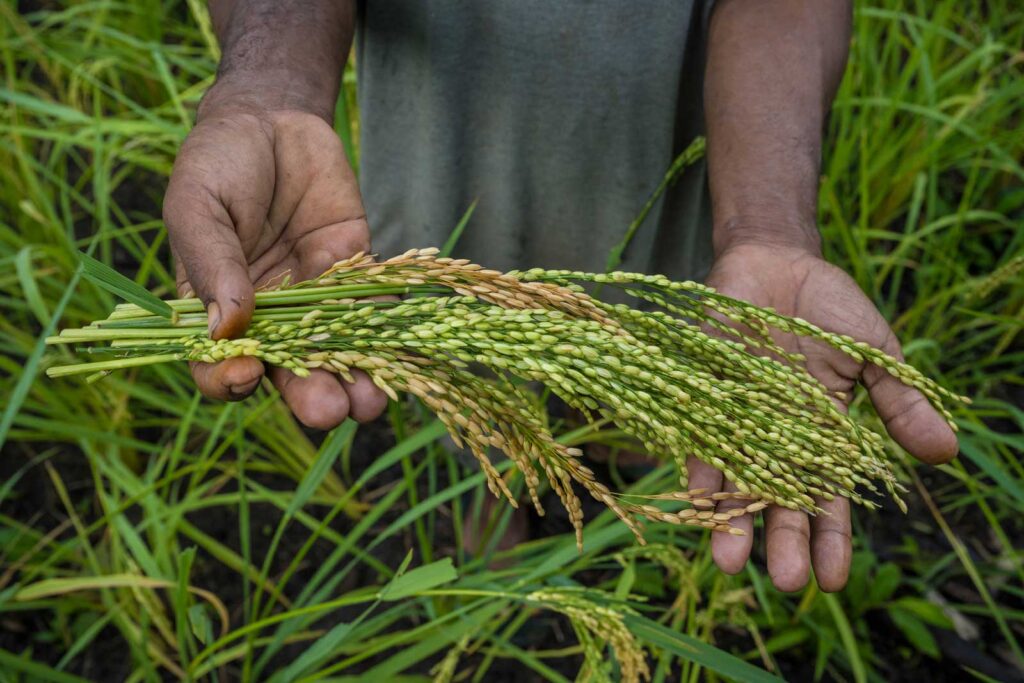
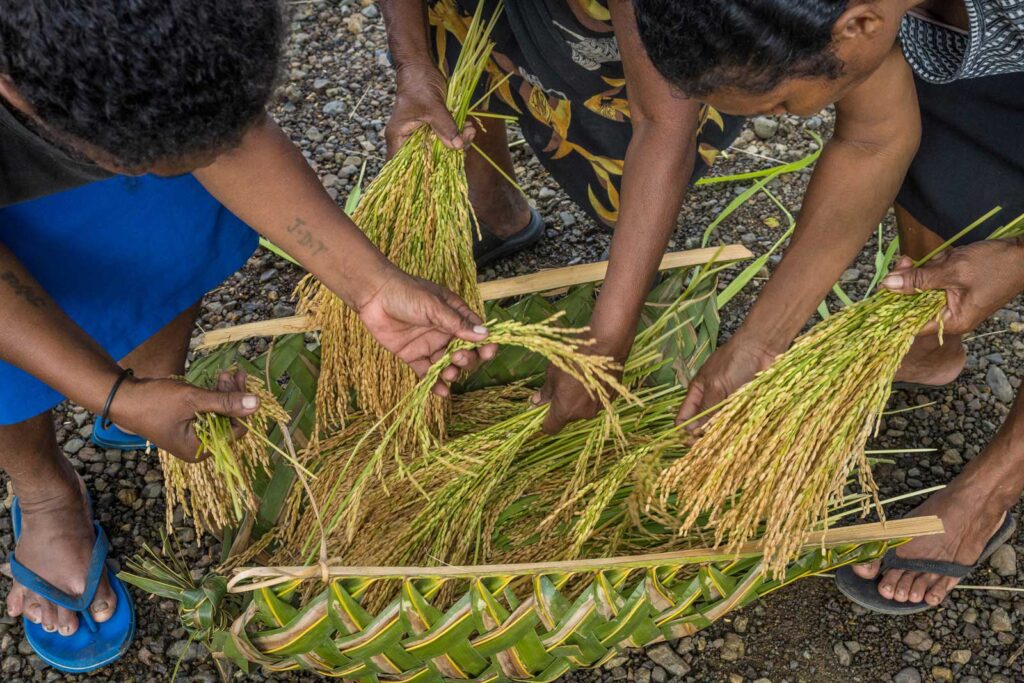
2. Multiplication and distribution of drought resistant and early maturing seed and planting materials; and
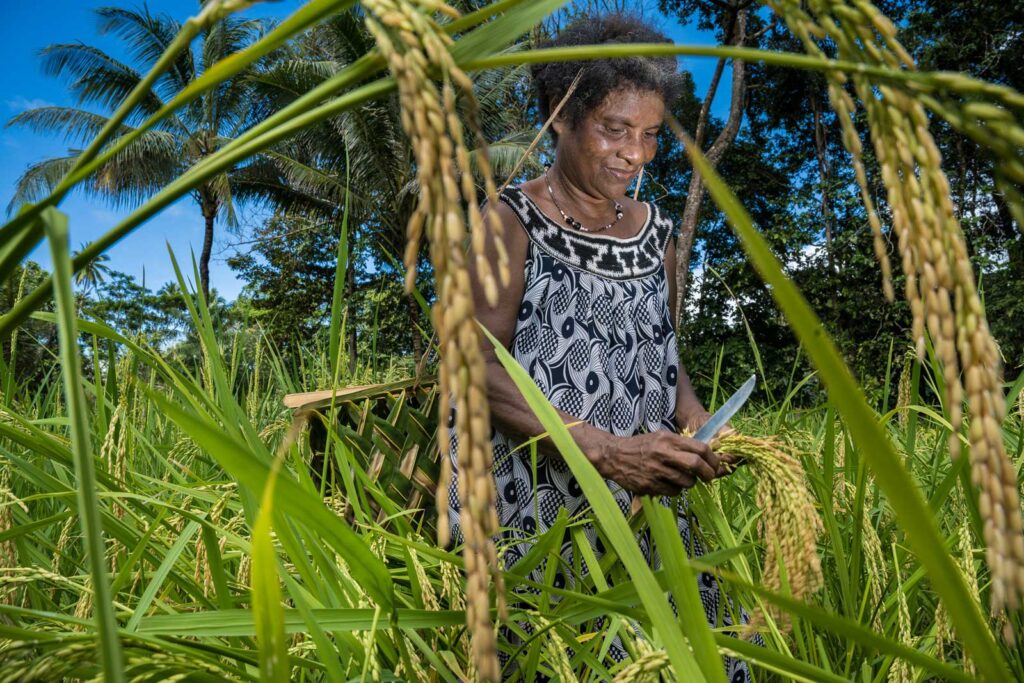
3. Income generating agricultural activities for smallholder farmers.
The project takes on a people centred approach, and will contribute significantly to food security, improved nutrition, livelihoods, and job creation that are instrumental for sustainable and inclusive growth and development in the targeted provinces. Project interventions will be coordinated with relevant development partner programmes, especially that of JICA and other Government of Japan funded interventions where relevant. The project will address the humanitarian-development nexus by implementing activities that respond to the most vulnerable population while making investments in building their capacities to sustain livelihoods and contribute to resilient agricultural development beyond the life of the project.